

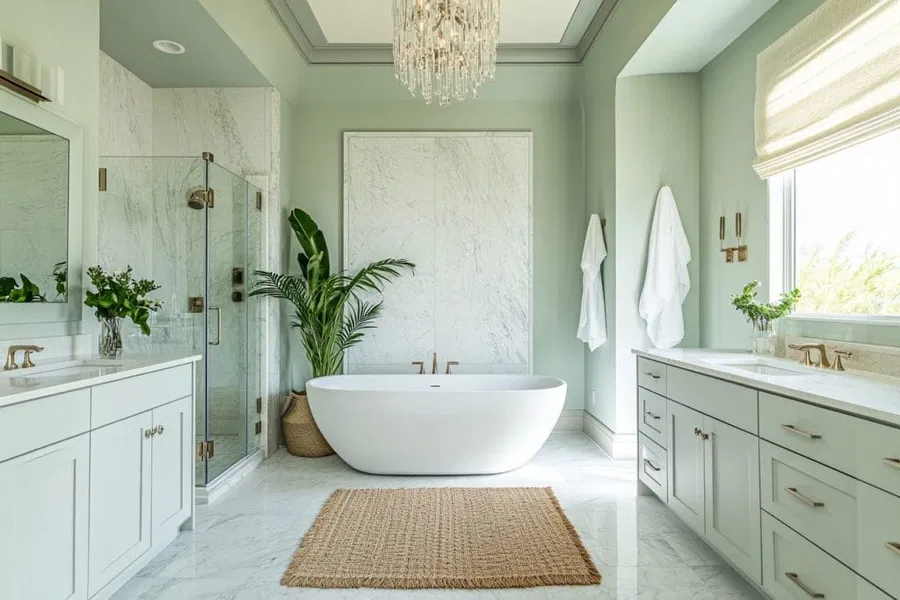
The traditional residential bathroom, centered around a high-walled bathtub and a plastic shower curtain, is rapidly becoming a relic of the past. Homeowners now view the bathroom not just as a utilitarian space for hygiene, but as a private wellness retreat designed to promote relaxation and recovery. This cultural shift has placed the open-format walk-in shower and the fully integrated wet room at the forefront of modern interior design.
By eliminating physical thresholds and bulky enclosures, these advanced layout concepts maximize floor space, enhance visual continuity, and bring a sophisticated, spa-like aesthetic into the home. Successfully executing a contemporary walk-in shower or wet room overhaul requires a deep understanding of current material innovations, advanced waterproofing methodologies, and subtle technological integrations that elevate the daily showering ritual.
Defining the Walk-In Shower versus the Wet Room
While the terms walk-in shower and wet room are frequently used interchangeably, they represent two distinct architectural approaches to bathroom design. Understanding these differences is critical when planning a structural overhaul.
The Walk-In Shower Configuration
A walk-in shower typically features a designated showering zone that is partially separated from the rest of the bathroom by a single fixed glass panel or a low-profile architectural partition wall. The floor may feature a very shallow, low-profile shower tray or a slightly sloped tiled floor that keeps water contained within a specific zone. The rest of the bathroom remains a traditional dry zone, meaning standard drywall, wooden vanities, and traditional flooring materials can safely occupy the adjacent space.
The Total Wet Room Philosophy
A true wet room takes the open-concept philosophy to its logical conclusion. In a wet room, the entire bathroom floor plan is treated as a waterproof zone. There are no step-up trays, curbs, or structural barriers separating the shower from the toilet or vanity. The entire floor is sloped precisely toward a central or linear drainage system. This configuration allows for total freedom of movement, simplifies cleaning routine, and is highly advantageous for small bathrooms where traditional partitions would fragment the limited square footage.
Architectural Waterproofing and Substrate Engineering
The sleek, open aesthetic of a modern wet room is entirely dependent on what lies beneath the surface. Without rigorous subsurface engineering, open showers will inevitably lead to structural water damage and mold growth.
Tanking the Enclosure
The process of waterproofing a wet room is known professionally as tanking. This involves coating the entire floor and the lower sections of the walls with a continuous, flexible liquid waterproofing membrane or a specialized polyethylene sheet layer.
This membrane acts as an impenetrable barrier, preventing water from seeping into the wooden subfloor or masonry walls. In a total wet room setup, tanking must extend up the walls to a height of at least eight feet in the direct splash zone and at least four inches across all other dry wall surfaces in the room.
Perfecting the Floor Gradient
For a curb-free shower to function correctly, the floor must slope toward the drain at a precise angle, typically a drop of one-quarter of an inch per linear foot. Achieving this gradient without creating an awkward, uneven floor requires the installation of a prefabricated sloped substrate tray, often made of high-density extruded polystyrene, which is recessed directly into the floor joists before tiling begins.
Material and Tile Micro-Trends
Modern walk-in showers reject busy, heavily jointed tile patterns in favor of expansive, continuous surfaces that emphasize the raw beauty of natural textures.
Large-Format Slabs and Reduced Grout Lines
Traditional subway tiles and small mosaics are being replaced by large-format porcelain slabs, which can measure up to four by eight feet per panel. These massive sheets allow designers to wrap a shower enclosure with minimal seams. Reducing the frequency of grout lines not only creates a clean, monolithic look that mimics solid stone but also eliminates the primary areas where soap scum, hard water minerals, and mold accumulate, drastically reducing maintenance efforts.
Earthy Tactility with Limestone and Travertine
The color palette for modern showers has shifted away from stark, sterile whites and cold greys toward warm, organic tones. Matte tiles inspired by the soft textures of natural limestone, travertine, and sand create an inviting, grounded atmosphere. These tiles feature delicate micro-textures that catch directional lighting beautifully while providing built-in slip resistance underfoot.
Cutting-Edge Fixtures and Drainage Solutions
The choice of mechanical components dictates the physical experience of the shower, turning a simple rinse into an immersive sensory event.
Linear and Tile-In Drainage Systems
Traditional central point drains require the floor to be sloped from all four corners into a bowl shape, which requires small tiles and disrupts large-format patterns. Modern layouts favor linear drains, which consist of a sleek, narrow stainless steel channel positioned flush against the back wall.
This configuration requires the floor to slope in only one single direction, allowing for the uninterrupted installation of massive floor tiles. For an even cleaner look, tile-in linear drains allow a custom strip of the matching floor tile to be inserted directly into the drain cover, rendering the drainage system virtually invisible.
Multi-Functional Performance Showering Assemblies
Contemporary walk-in showers utilize advanced plumbing configurations to deliver tailored water experiences:
-
Ceiling-Mounted Rainpanels: These flush-mount fixtures deliver a soft, aerated downpour that mimics natural rainfall, offering an incredibly soothing sensation.
-
Thermostatic Smart Control Valves: Instead of manual handles that require constant adjustment, digital thermostatic valves maintain an exact water temperature automatically, preventing accidental scalding if water pressure fluctuates elsewhere in the house.
-
Tactile Metallic Finishes: Homeowners are moving away from traditional polished chrome in favor of warm, muted metallic accents. Brushed bronze, graphite, and unlacquered copper fixtures add a layer of sophistication and stand out cleanly against neutral stone tile backdrops.
Seamless Glass and Spatial Continuity
To keep an open shower looking expansive, the glass panels used must be as visually weightless as possible.
Frameless and Fluted Glazing Concepts
Heavy metal frames trap water and create sharp visual boundaries that cut a room in half. Modern trends favor thick, tempered frameless glass panels secured with low-profile, concealed floor tracks and minimalist wall clamps.
For homeowners who desire a touch of privacy without sacrificing light transmission, fluted, reeded, or frosted glass panels are highly popular. The vertical ridges of fluted glass distort silhouettes while creating a dynamic play of light and shadow that adds architectural rhythm to the space.
Frequently Asked Questions
Will installing a wet room decrease the resale value of my home if I remove the only bathtub?
Removing the only bathtub in a home to install a wet room can sometimes reduce appeal among buyers with very young children. However, if your home has a secondary bathroom that retains a traditional tub, upgrading the primary master bathroom to a luxury walk-in wet room generally yields a high return on investment, as modern buyers heavily prioritize spacious, spa-like showering experiences.
How do I prevent water from splashing onto my toilet and towels in an open wet room?
Strategic spatial planning is key. The shower head should be positioned as far from the doorway and dry fixtures as possible, typically at the deepest point of the room. Additionally, installing a single fixed glass panel measuring at least thirty-six inches in width will contain the primary lateral water spray while maintaining an open, curb-free entry.
Are walk-in showers colder than traditional enclosed shower stalls?
Because walk-in showers lack a sealed door, steam can escape more freely into the rest of the bathroom, which can create a cooler sensation during use. To counteract this, modern walk-in layouts frequently incorporate underfloor radiant heating zones beneath the shower tiles, which keeps the floor warm and helps dry out standing water rapidly after use.
What type of maintenance do large-format porcelain shower slabs require?
Large-format porcelain slabs are incredibly low-maintenance because they are completely non-porous and contain very few grout joints. To keep them looking pristine, wipe the glass and slab walls down with a silicone squeegee after each use to prevent hard water spotting, and clean the surfaces periodically using a mild, pH-neutral spray cleaner.
Can a wet room be safely installed on the second floor of a timber-framed house?
Yes, a wet room can be safely installed on upper floors of timber-framed homes, provided the subfloor is structurally sound and properly prepared. Installers must use thick cement backer boards rather than standard drywall, reinforce the joists to prevent flexing, and apply a premium, flexible liquid or sheet tanking membrane that moves naturally with the house without cracking.
Why is an anti-slip rating crucial when selecting walk-in shower floor tiles?
Curb-free layouts mean that soapy water can migrate across a wider surface area. To ensure safety, floor tiles inside the wet zone must possess a high dynamic coefficient of friction rating, typically achieved through matte, unpolished, or textured finishes that offer reliable traction even when completely coated in soapy water.