

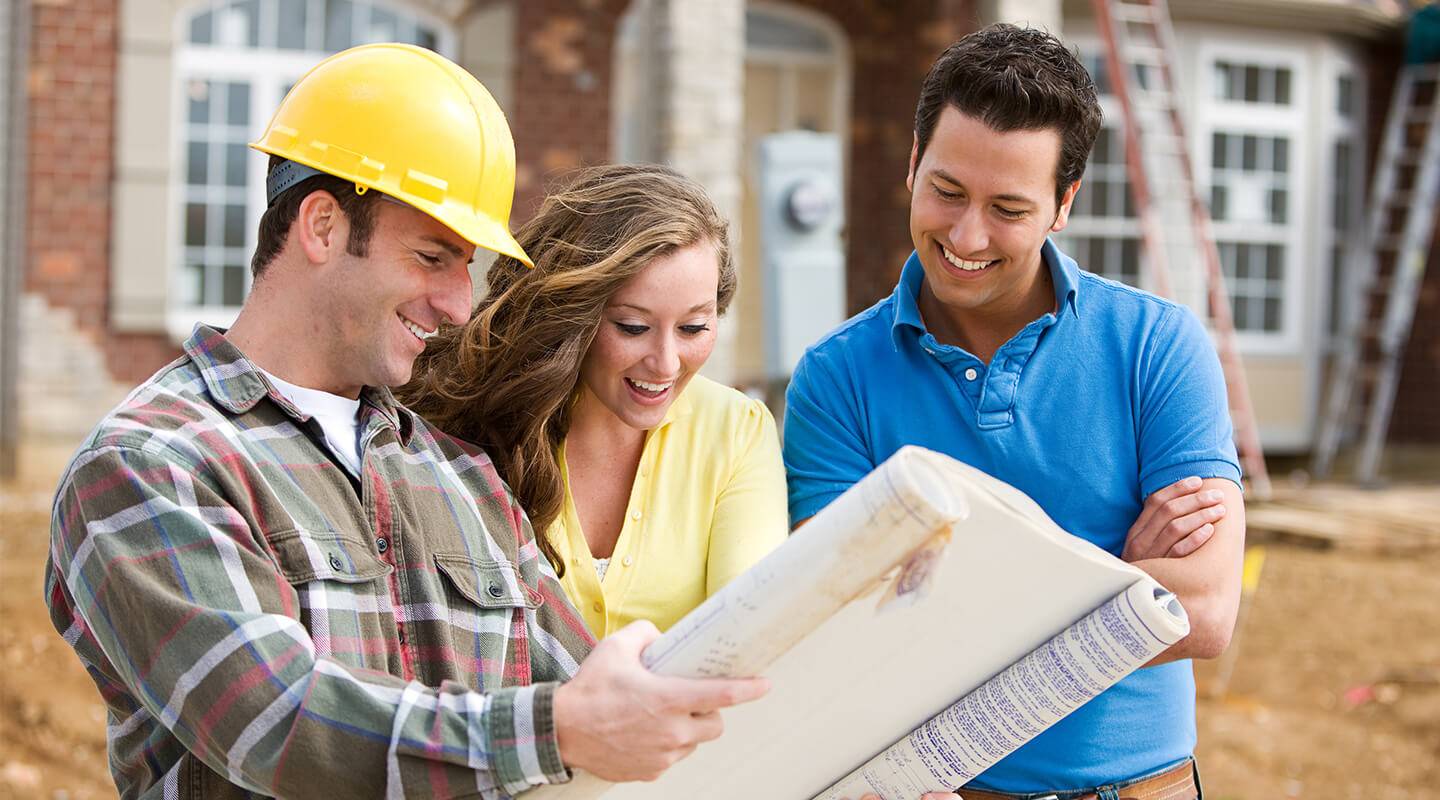
Embarking on the journey to build your dream home is an exciting prospect, one filled with endless possibilities for personalisation and unique design. It’s a significant investment, both financially and emotionally, which is why choosing the right custom home builder is arguably the most crucial decision you’ll make. This isn’t just about finding someone to lay bricks; it’s about partnering with a team who understands your vision, respects your budget, and delivers exceptional craftsmanship.
A truly professional custom home builder acts as your guide through the entire process, from initial concept sketches to the final handover. They transform your ideas into tangible spaces, ensuring every detail reflects your lifestyle and preferences. To help you navigate this important choice, we’ve outlined five essential tips that will empower you to select a builder perfectly suited to bring your dream home to life.
1. Research their reputation and portfolio thoroughly
Before you even pick up the phone, dedicate ample time to researching potential builders. A strong reputation is built on a foundation of consistent quality, transparent communication, and satisfied clients. Start by exploring their online presence, looking at their website, social media, and independent review platforms.
Check online reviews and testimonials
What are past clients saying about their experience? Look for patterns in feedback – positive comments about communication, adherence to timelines, and quality of work are excellent indicators. Conversely, consistent complaints about delays, cost blowouts, or poor workmanship should raise red flags. Genuine testimonials often provide insights into how a builder handles challenges and client requests.
Don’t just skim the five-star reviews; delve into any critical feedback to understand the full picture. A builder who addresses and resolves issues professionally often demonstrates a higher level of integrity and commitment to client satisfaction. This due diligence can save you considerable stress and potential headaches down the line.
Review their project portfolio
A builder’s portfolio is a visual testament to their capabilities and aesthetic range. Look for projects that resonate with your preferred style, whether it’s contemporary, traditional, or something uniquely bespoke. Pay attention to the quality of finishes, the innovation in design, and the overall craftsmanship displayed in the images.
Ideally, you’ll want to see a diverse range of projects that showcase their versatility and expertise across different scales and complexities. If possible, ask for references from past clients and, with their permission, drive past or even visit completed homes to observe the build quality firsthand. Seeing their work in person offers invaluable insight that photos alone cannot convey.
2. Verify licences, insurance, and accreditations
This tip might seem straightforward, but it’s absolutely non-negotiable. Engaging a builder without proper credentials is a massive risk that could lead to financial disaster and significant legal complications. Always prioritise builders who operate with full transparency regarding their professional standing.
Essential legal checks
Ensure your prospective custom home builder holds all necessary licences and registrations required by local building authorities. These credentials confirm they meet the minimum standards for competency and ethical practice. Don’t hesitate to ask for proof of these documents and verify them with the relevant government bodies.
Equally important is comprehensive insurance coverage. This includes public liability insurance to protect against accidents on site and home warranty insurance, which safeguards your investment in case the builder cannot complete the work or defects emerge post-construction. Without these, you could be liable for unforeseen circumstances, which is a burden no homeowner wants.
Industry affiliations
Membership in industry associations, such as the Housing Industry Association (HIA) or Master Builders Association (MBA), often indicates a builder’s commitment to quality, professional development, and adherence to industry best practices. These associations usually have codes of conduct their members must uphold.
While not a substitute for legal checks, these affiliations can offer an additional layer of confidence in a builder’s professionalism and dedication to their craft. It suggests they are actively engaged in the building community and committed to continuous improvement, which benefits you as the client.
3. Assess communication and transparency
Building a custom home is a long and intricate process, often spanning many months. Effective communication between you and your builder is paramount to a smooth and enjoyable experience. You need a builder who is not only skilled but also an excellent communicator.
Open lines of communication
From your initial conversations, evaluate how responsive and clear the builder is. Do they answer your questions thoroughly and promptly? Do they proactively provide updates, even when there’s nothing new to report? A good custom home builder understands the importance of keeping you informed every step of the way, setting realistic expectations from the outset.
Consider their preferred communication methods and ensure they align with yours. Regular site meetings, detailed progress reports, and a willingness to discuss concerns openly are all signs of a builder who values clear communication. This transparency builds trust and helps prevent misunderstandings that can derail a project.
Clear contract and cost breakdown
Transparency extends to the contractual agreement and financial aspects of the build. A reputable builder will provide a detailed, easy-to-understand contract that outlines all inclusions, exclusions, timelines, and payment schedules. There should be no hidden costs or vague clauses.
Ask for a comprehensive cost breakdown that details every component of the build, from materials to labour. Understand how variations will be handled and priced, as changes are almost inevitable in a custom build. A builder who is upfront about all costs and potential contingencies demonstrates integrity and helps you manage your budget effectively.
4. Evaluate their expertise in custom home designs and specific needs
The essence of a custom home is its unique design, tailored precisely to your vision and the specific characteristics of your block. Therefore, your builder must possess a deep understanding of bespoke construction and be adept at translating complex architectural plans into reality.
Specialisation in unique designs
Does the builder have experience with the particular style or architectural features you envision? Some builders excel in contemporary designs, while others might specialise in more traditional or eco-friendly builds. Their portfolio should reflect their capability to execute diverse and innovative custom home designs Mandurah homeowners might seek.
Discuss your ideas in detail and observe if they offer thoughtful suggestions, identify potential challenges, or propose creative solutions. An experienced builder brings not just construction skills but also valuable design insights that can enhance your home’s functionality and aesthetic appeal. They should be partners in refining your dream.
Addressing specific site challenges
Every building site has its own quirks, whether it’s a sloping block, specific soil conditions, or council regulations regarding setbacks and easements. A truly expert custom home builder will conduct thorough site assessments and demonstrate a clear understanding of how to navigate these challenges.
They should be able to articulate their approach to managing site-specific issues, ensuring the design is feasible and compliant with all local requirements. Their ability to foresee and mitigate potential problems before they arise is a hallmark of a highly competent and reliable builder, saving you both time and money.
5. Understand their post-construction support and warranties
The relationship with your builder shouldn’t end the moment you receive the keys. A professional custom home builder stands by their work, offering support and guarantees long after the construction dust has settled. This post-completion service is a critical aspect of your long-term satisfaction and peace of mind.
After-sales service
Inquire about their process for addressing any issues or defects that might emerge in the weeks or months following completion. Do they have a dedicated team or a clear procedure for warranty claims? A builder committed to client satisfaction will have a structured approach to post-handover support, ensuring any minor snags are rectified promptly and efficiently.
This commitment reflects their confidence in their workmanship and their dedication to building lasting relationships with their clients. Knowing that your builder will be there to assist if something isn’t quite right provides immense reassurance.
Structural warranties and guarantees
Beyond immediate post-completion support, understand the scope and duration of their structural warranties. These warranties protect you against significant defects in the home’s structure for a specified period, typically several years. This is a vital safeguard for your substantial investment.
A builder who offers robust warranties demonstrates pride in their work and a commitment to quality that endures. Furthermore, consider whether they also offer services like quality home renovations to enhance your existing space down the track. This indicates a long-term vision for client support and property development.
Conclusion
Choosing the ideal custom home builder is a journey that requires careful consideration, thorough research, and clear communication. By following these five essential tips – researching their reputation, verifying credentials, assessing communication, evaluating expertise in design, and understanding post-construction support – you can confidently select a partner who will not only build your house but also create a home that truly embodies your dreams.