

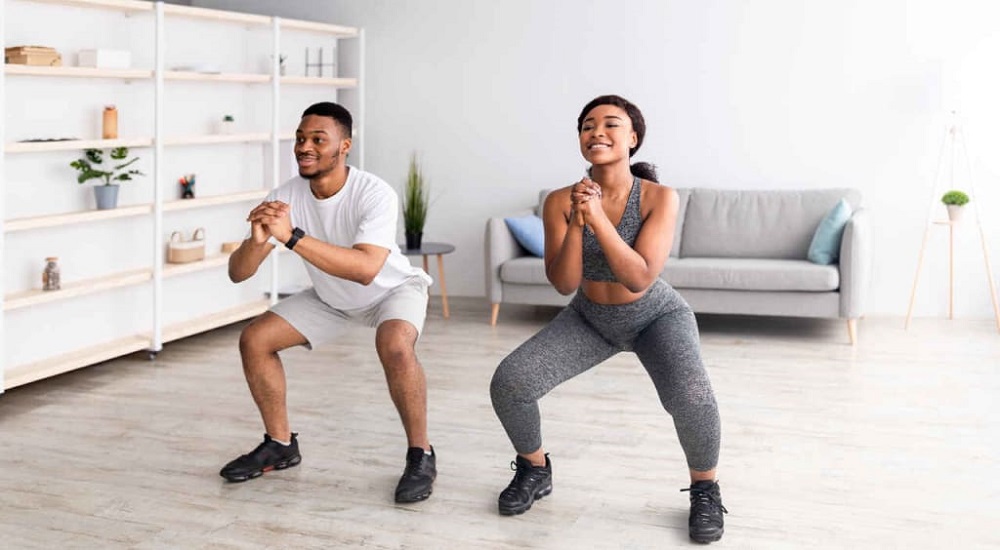
Personal training sessions are important, but progress does not happen only inside the gym. What someone does at home also affects results. Sleep, food, hydration, posture, stress, movement, and recovery all influence how the body responds to training. Working with a personal trainer singapore can become even more effective when supported by healthy daily habits at home.
The goal is not to create a perfect lifestyle. The goal is to build small, realistic habits that make training easier and recovery stronger. A few consistent home habits can improve energy, movement quality, and long-term progress.
Sleep Is the Foundation
Sleep affects almost every part of fitness. It influences recovery, energy, hunger, mood, focus, and performance. A person who trains hard but sleeps poorly may struggle to progress.
At home, better sleep habits can make a major difference. Keep a consistent bedtime when possible. Reduce screen use before bed. Create a calm sleep environment. Avoid heavy meals too close to bedtime if they affect sleep.
Good sleep helps the body repair and prepare for the next session.
Hydration Starts Before the Gym
Hydration should not begin when the workout starts. It should happen throughout the day. Dehydration can make training feel harder and affect focus.
Keeping a water bottle nearby at home can help. Drinking water after waking, with meals, and between tasks supports better hydration.
For people who sweat heavily, fluids and electrolytes may be useful after intense sessions.
Food Preparation Supports Consistency
Nutrition is easier when good options are available. At home, simple food preparation can prevent poor last-minute choices.
This does not require complicated meal prep. It can be as simple as keeping protein sources ready, washing fruit, preparing rice or vegetables, or planning post-workout meals.
When healthy food is accessible, training goals become easier to support.
Protein With Meals Helps Recovery
Personal training often includes strength work, and strength work requires recovery. Protein helps muscles repair and adapt.
At home, include protein with meals where possible. Eggs, tofu, chicken, fish, lentils, beans, Greek yogurt, paneer, and lean meats can all work.
Consistent protein intake supports better recovery between training sessions.
Daily Movement Matters
A person may train with a trainer two or three times per week, but the rest of the day still matters. Sitting for long hours can reduce overall activity and make the body feel stiff.
Daily movement at home can help. Short walks, light stretching, standing breaks, household tasks, and simple mobility exercises all support an active lifestyle.
Small movements add up over time.
Posture Awareness at Home
Many people spend hours sitting at home while working, watching TV, eating, or using phones. Poor posture can affect how the body feels during workouts.
Simple posture habits can help. Sit with feet grounded. Avoid leaning over the phone for long periods. Change positions regularly. Take breaks from screens.
Better posture awareness supports the work done in training sessions.
Mobility Between Sessions
Mobility work does not need to happen only at the gym. A few minutes at home can help the body feel better.
Simple movements for the hips, shoulders, spine, and ankles can support flexibility and comfort. This is especially useful for people who sit often.
A trainer may recommend specific mobility drills based on the client’s needs.
Recovery Days Are Productive
Some people think rest days slow progress. In reality, recovery days help the body adapt. Muscles repair, energy returns, and the nervous system resets.
At home, recovery can include walking, stretching, hydration, good food, and sleep. It does not always mean doing nothing.
Respecting recovery helps people train better in the next session.
Stress Management Affects Progress
Stress can affect sleep, hunger, energy, and motivation. High stress may also make workouts feel harder.
Home habits that support stress management can improve training results. This might include breathing exercises, quiet time, walking, journaling, music, or reducing unnecessary screen exposure.
A calmer lifestyle helps the body recover more effectively.
Keep Gym Gear Ready
A simple home habit that improves consistency is preparing workout gear. Keep clothes, shoes, towel, and water bottle ready before training days.
This reduces friction. When it is time to leave, there are fewer excuses.
Preparation is one of the easiest ways to support attendance.
Build a Pre-Workout Routine
A pre-workout routine can help the mind and body prepare. It might include a light snack, water, changing into gym clothes, and reviewing the session time.
This routine signals that training is about to happen. Over time, it makes workouts feel more automatic.
Habits reduce the need for motivation.
Create a Post-Workout Recovery Routine
After training, recovery should begin. A post-workout routine might include drinking water, eating a balanced meal, stretching lightly, showering, and sleeping well.
This helps the body transition from effort to repair.
A strong recovery routine can improve performance in future sessions.
Avoid All-or-Nothing Thinking at Home
Not every day will be perfect. Meals may be rushed. Sleep may be poor. Stress may be high. A workout may be missed.
The key is to return to the routine quickly. One imperfect day does not ruin progress.
Home habits should feel supportive, not strict.
Family Support Can Help
If someone lives with family, support matters. Letting family members know about training times and health goals can make consistency easier.
Healthy meals, protected workout time, and shared movement habits can support progress.
Fitness becomes easier when the home environment respects it.
Track Simple Habits
Tracking does not need to be complicated. A person can track water intake, sleep, daily steps, protein meals, or completed mobility work.
Simple tracking helps build awareness. It can also show which habits improve training performance.
The goal is progress, not perfection.
Better Home Habits Create Better Training
Personal training sessions are more effective when supported by daily habits at home. Sleep, hydration, food, movement, posture, recovery, and preparation all help the body respond better to workouts.
People who want coaching, gym facilities, and varied training options can explore TFX Singapore as part of a routine where gym sessions and home habits work together for better results.