

Home Safety Upgrades That Are Actually Worth the Investment

Home safety is one of those topics that tends to get addressed reactively rather than proactively. Something breaks, a near-miss occurs, or an inspection flags a concern, and only then does the issue get attention. The problem with that approach is that the moment something becomes urgent, the options narrow and the costs increase.
A more deliberate approach, identifying the upgrades that carry the most meaningful safety benefit and addressing them systematically, delivers better outcomes at lower cost and with far less disruption.
Start With What Poses the Greatest Risk
Not all safety upgrades are equal. Some address hazards that are genuinely dangerous. Others manage risks that are statistically minor. Prioritising effectively means starting with the upgrades that protect against the most serious outcomes.
Falls are one of the leading causes of injury in residential settings, particularly for young children and older adults. Stairs and elevated areas are the highest-risk zones in most homes, and the quality of the balustrades and handrails protecting those zones makes a direct difference to safety outcomes.
Balustrades that are loose, incorrectly spaced, or simply too low for current safety standards are a common finding in older homes and even in some newer ones where installation was not done carefully. Addressing this properly is not a cosmetic decision. It is a structural one that requires the right materials, the right fixings, and the right installation approach. For homeowners wanting this done comprehensively and correctly, balustrade design, manufacture & installation from a specialist ensures the result meets both safety requirements and the specific demands of the space.
Smoke and Carbon Monoxide Detection
Working smoke alarms are one of the most straightforward safety measures available and still consistently undertreated in residential properties. The issue is rarely the absence of alarms. It is alarms that have dead or missing batteries, alarms that are past their replacement date, or alarms that are positioned incorrectly for the layout of the home.
Smoke alarms should be present on every level of the home and inside or immediately outside every sleeping area. Interconnected alarms, where triggering one triggers all of them, offer significantly better protection than standalone units, particularly in larger homes where a fire in one area might not be audible from another.
Carbon monoxide detectors are less common but equally important in homes with gas appliances, wood-burning fireplaces, or attached garages. Carbon monoxide is colourless and odourless. Without a detector, it can build to dangerous levels without any warning.
Electrical Safety Is Invisible Until It Is Not
Electrical hazards are among the most underestimated risks in residential properties, particularly in homes that have not had a professional inspection in recent years. Wiring degrades. Connections loosen. Switchboards that were installed decades ago may not meet current safety standards or be capable of handling the electrical load a modern household places on them.
A licensed electrician conducting a safety inspection will typically check the condition of the switchboard, identify any circuits without adequate protection, and flag any visible wiring concerns. Residual current devices, which cut power almost instantly when a fault is detected, should be fitted to all circuits in the home. Many older properties still lack them.
Outdoor electrical installations deserve particular attention. Power points, lighting circuits, and any wiring exposed to moisture or temperature variation deteriorates faster than interior installations. Any outdoor circuit that has not been inspected in the past few years warrants attention.
Security That Actually Deters
Home security upgrades have a more complex value calculation than pure safety measures, but the well-chosen ones deliver real benefits. The key distinction is between security measures that deter and those that merely document.
A visible, well-lit entry with a quality deadlock and a camera that is clearly positioned deters more effectively than a concealed camera in a poorly lit space that records what happened after the fact. Motion-activated lighting around entry points, including side gates and back access, removes the low-light conditions that opportunistic entry relies on.
Smart locks have become more practical and reliable in recent years. The ability to provide temporary access codes to tradespeople or guests, and to know whether a door is locked from anywhere, has genuine everyday utility beyond security alone.
Water and Gas Shut-Offs: Know Where They Are
This is not an upgrade but a preparation that too few homeowners have made. Knowing exactly where the main water shut-off and gas shut-off are located, and being able to operate them quickly, is a basic safety competency that pays off significantly in the moments it matters.
A burst pipe or gas leak that can be isolated in thirty seconds creates a very different situation to one that cannot be found and stopped for twenty minutes. Walk through your home and locate both. Make sure everyone in the household knows where they are. If the shut-offs are in poor condition or difficult to operate, address that before it becomes relevant in an emergency.
Slips and Trip Hazards Beyond the Obvious
Falls on level ground are statistically more common than falls on stairs, and the contributing factors are often overlooked. Loose rugs, particularly on hard flooring, are a persistent hazard. Cables running across traffic paths. Thresholds between flooring types that create an unexpected step. These are fixable, low-cost problems that are simply a matter of paying attention.
Non-slip treatments on wet area floors, appropriate matting inside shower areas, and grab rails in bathrooms used regularly by older adults are all upgrades that are inexpensive relative to the injury risk they address. They are also among the most frequently deferred, because they require acknowledging a risk that feels remote until it becomes immediate.
The most effective approach to home safety is the same as the most effective approach to home maintenance generally. Systematic, proactive, and consistent. The upgrades that matter most are not always the most visible or the most exciting. But they are the ones that make a real difference when the circumstances that test them actually arrive.
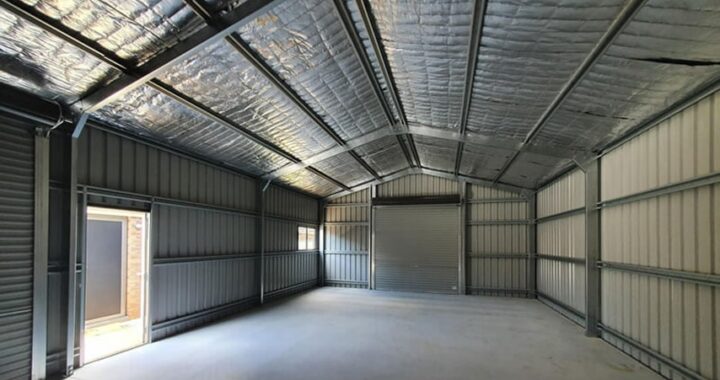 The Practical Guide to Storage Sheds: Residential, Commercial, and Rural Applications in Perth
  Daily Home Habits That Improve Results With a Personal Trainer Singapore
  Why Your Perth Air Conditioner Is Working Harder Than It Should (And What to Do About It)
  The Psychology of Energy Visibility: Freedom Forever Solar Reviews
  Basement Conversions Turning Damp Storage into a Functional Home Office
  Investment Insights: Should You Buy a Condo or a Single-Family Home?
  The Complete Guide to Residential Relocations in Perth