

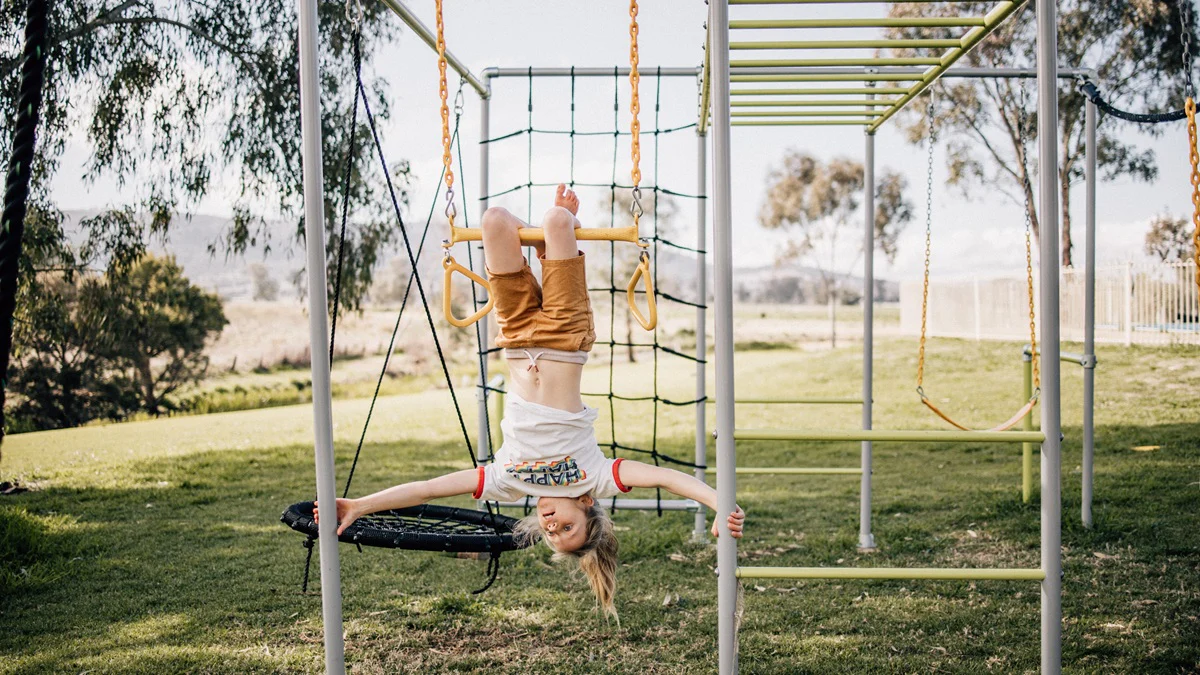
Children are built to move. Long before they understand fitness, exercise, or body development, they learn through simple physical experiences. They stretch to reach something, bend to pick up objects, run when excited, jump over small obstacles, crawl through tight spaces, and test how far their bodies can go. These ordinary actions play a major role in their growth.
Movement-based play is one of the most natural ways for children to build strength, balance, coordination, and confidence. It does not have to feel like training or structured sport. In fact, children often benefit most when movement is part of play rather than something presented as a task. When they are having fun, they repeat movements without pressure, which helps their bodies develop in a steady and healthy way.
Why Physical Play Is Important During Childhood
Childhood is a stage of constant physical change. Muscles, bones, joints, balance, and motor skills are all developing. Children need regular opportunities to use their bodies in different ways so these systems can grow stronger and more coordinated.
Physical play supports gross motor skills, which involve larger body movements such as running, jumping, balancing, crawling, and reaching. It also supports fine motor development in small but important ways. For example, gripping, holding, pulling, and adjusting hand position all help improve control and strength in the hands and fingers.
When children do not get enough active play, they may miss out on important movement experiences. This does not mean every child needs to join a sports club or follow a strict fitness routine. It simply means they need time and space to move freely, try new actions, and practise using their bodies.
Strength Builds Through Natural Repetition
Children build strength by repeating movements during play. The difference between play and formal exercise is that play feels enjoyable. A child may climb, pull, push, crawl, and jump many times without thinking of it as effort.
This natural repetition is powerful. When a child pulls themselves upward, their arms, shoulders, back, and core are involved. When they squat, crawl, or balance, different muscle groups work together. When they run, stop, turn, and start again, their legs and core become more active.
The body learns through use. Every time children move in different ways, they build better control. Over time, actions that once felt difficult become easier. This is why active play can be so effective. Children often challenge themselves without needing much encouragement.
Balance Helps Children Feel More Secure
Balance is not only useful for sports. It affects many everyday activities, including walking confidently, using stairs, carrying objects, sitting with good posture, and moving safely through crowded spaces.
Children develop balance by experiencing different surfaces, positions, and movements. Standing on one foot, stepping across uneven ground, walking along a low edge, moving around obstacles, and changing direction quickly all help improve balance.
Good balance also supports confidence. When children feel steady, they are more willing to try new activities. They may run faster, climb higher, or take part in group games more comfortably. A child who feels unsure in their body may avoid movement, while a child who feels balanced is more likely to explore.
Parents can support balance by giving children varied play opportunities. Simple activities like hopscotch, stepping stones, low balance paths, and gentle obstacle games can all help.
Coordination Develops When the Body and Mind Work Together
Coordination means different parts of the body working together smoothly. It is needed for throwing, catching, climbing, writing, dancing, swimming, cycling, and many other daily activities.
Children develop coordination through trial and error. They may misjudge a jump, miss a ball, lose balance, or place a foot awkwardly. These moments are not failures. They are part of the learning process. Each attempt gives the brain more information about timing, distance, speed, and body position.
Play that involves reaching, turning, stepping, gripping, and changing direction is especially useful. A varied activity corner can include simple stations like balance paths, rope challenges, stepping spots, and Monkey Bars so children have different ways to move without feeling as if they are doing a workout.
The best coordination activities are often the ones children repeat naturally. When an activity is enjoyable, they practise it again and again, which helps their movements become smoother.
Confidence Grows With Physical Progress
Children notice when they improve. They remember when something felt hard and then becomes easier. This progress builds confidence.
A child who finally balances across a short path, catches a ball after many attempts, or reaches a new point in an activity feels a sense of achievement. These wins may seem small to adults, but they can be very meaningful to children.
Physical confidence often carries into other areas of life. A child who learns to keep trying during play may also become more willing to try difficult schoolwork, new hobbies, or social activities. The message they learn is simple: effort helps me improve.
Adults can support this by praising persistence. Instead of only saying “well done,” it is helpful to say things like “you tried that several times” or “you worked out a new way to do it.” This helps children connect success with effort and problem-solving.
Active Play Supports Emotional Wellbeing
Movement is not only good for the body. It can also help children manage emotions. After sitting in school, focusing on lessons, or dealing with busy routines, children often need a physical outlet.
Running, jumping, stretching, and active games can help release tension. Outdoor movement can also improve mood and reduce restlessness. Some children become calmer after physical play because their bodies have had a chance to use stored energy.
Active play also gives children a healthy way to deal with frustration. If they cannot complete a movement right away, they learn to pause, try again, or approach it differently. These experiences help build patience and emotional control.
Not every child expresses stress through words. Some children show it through irritability, lack of focus, or restlessness. Regular movement can help them feel more settled.
The Role of Unstructured Play
Structured activities have benefits, but unstructured play is equally important. In unstructured play, children make their own decisions. They choose what to do, how to do it, when to change the rules, and when to stop.
This freedom supports creativity and independence. Children may invent games, create challenges, compete with themselves, or turn ordinary objects into play tools. They learn to solve problems without always waiting for adult instructions.
Unstructured play also allows children to move at their own pace. Some may be bold and energetic, while others may be careful and observant. Both styles are valid. Children need space to understand their own comfort levels.
Adults can stay nearby for safety while still allowing children to lead. Too much direction can make play feel like a lesson. Gentle supervision gives children room to explore while still feeling supported.
Making Movement Part of Everyday Life
Families do not need perfect conditions to encourage movement. A backyard, park, open room, terrace, or local playground can all offer useful opportunities. The key is regular access.
Short periods of movement throughout the day can be very effective. Children may play outside after school, help with simple garden tasks, walk with family members, or create small challenges at home. These moments add up.
It also helps to reduce barriers. Keep outdoor shoes easy to find. Store simple play items where children can reach them. Make active time part of the routine rather than something rare.
Parents can also join in sometimes. A quick game of catch, a short race, or a shared obstacle challenge can make children more excited to participate. At the same time, children should also have independent playtime where they can create their own fun.
Building Healthy Habits From an Early Age
Children who grow up with regular active play are more likely to see movement as a normal and enjoyable part of life. This matters because habits formed in childhood can influence future routines.
The aim is not to push children into intense exercise or constant competition. The aim is to help them enjoy using their bodies. When movement feels fun, children are more likely to continue being active as they grow.
Strength, balance, and coordination develop through ordinary moments of play. Every jump, reach, step, turn, and climb teaches the body something. With enough time, space, and encouragement, children can become stronger, steadier, and more confident in a natural way.