

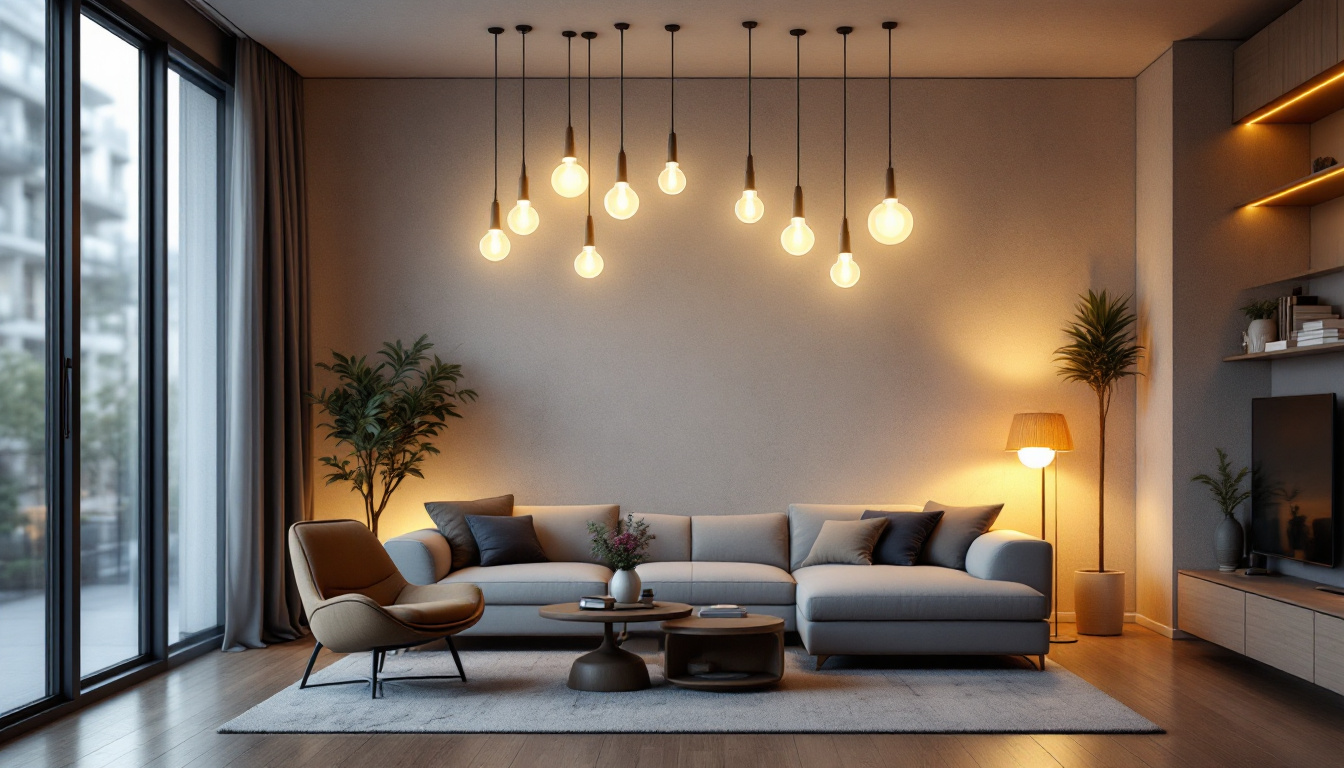
Lighting is the invisible architecture of a home. While furniture, paint colors, and structural layouts define the physical boundaries of a room, it is the lighting that dictates how those elements are perceived. Too often, residential lighting is treated as an afterthought, resulting in rooms illuminated by a single, harsh overhead fixture that flattens textures, creates deep shadows, and causes eye strain.
To unlock the true potential of a home, interior designers rely on multi-level lighting plans. This approach involves layering different types of light at various heights and intensities across a living zone. By dividing illumination into distinct functional categories, you can transform a sterile, open-concept floor plan into a warm, dynamic, and highly adaptable environment that transitions seamlessly from a high-energy workspace during the day to a relaxing retreat at night.
The Three Core Layers of Residential Illumination
A successful multi-level lighting plan balances three distinct layers of light: ambient, task, and accent. Each layer serves a specific psychological and functional purpose, and they must operate independently to provide maximum flexibility.
Ambient Lighting: The Foundation
Ambient lighting represents the base layer of illumination within a room. Its primary purpose is to provide a uniform wash of light that allows occupants to navigate the space safely and see general objects clearly. Ambient light should mimic natural daylight as closely as possible, bouncing softly off ceilings and walls to minimize glare. Common sources of ambient light include flush-mount ceiling fixtures, recessed can lights, and large central chandeliers.
Task Lighting: Precision and Performance
Task lighting is directed toward specific activities that require focused visual attention, such as reading, cooking, drafting, or grooming. Unlike ambient light, which diffuses across a wide area, task lighting must be concentrated, adjustable, and bright enough to prevent ocular fatigue. It should be positioned strategically to eliminate shadows cast by your hands, head, or upper body. Examples include under-cabinet kitchen strips, adjustable desk lamps, and directional reading sconces.
Accent Lighting: Drama and Depth
Accent lighting is purely aesthetic, used to inject visual drama, highlight architectural features, or draw attention to specific objects like artwork, sculptures, or built-in shelving. As a rule of thumb, accent lighting should be at least three times brighter than the surrounding ambient light to create a compelling sense of depth and contrast. This layer includes track lighting, picture lights, and recessed directional spotlights.
Architectural Mapping: Layering Open-Concept Living Zones
Open-concept living zones combine living rooms, dining spaces, and home offices into a single expansive area. Layering light across these unified zones requires a strategic layout to define distinct functional areas without building physical walls.
The Living Room Lounge Array
The living room is the most multi-functional space in a modern home, requiring a highly adaptable lighting configuration.
-
High Level: Install dimmable recessed LED fixtures around the perimeter of the ceiling to provide a soft, general glow. Avoid placing fixtures directly over seating areas to prevent harsh downward shadows on guests’ faces.
-
Mid Level: Mount elegant wall sconces at roughly eye level (sixty to sixty-six inches above the finished floor) to bridge the gap between the ceiling and the furniture plane.
-
Low Level: Place heavy ceramic table lamps on end tables and a tall, arched floor lamp over a reading chair. This low-level light wraps the seating area in a cozy, intimate pocket of warmth.
The Dedicated Dining Zone Interface
In an open layout, the dining table acts as a major visual anchor. The lighting plan here should draw people together, creating a focal destination.
A large pendant light or a structural linear chandelier should hang precisely thirty to thirty-six inches above the dining table surface. This light source should cast a direct downward beam onto the table to highlight the food and tableware, while filtering soft light outward to illuminate the faces of diners. Supplement this central feature with low-intensity accent lighting inside nearby glass-front hutch cabinets or bar carts to add depth to the background.
Technical Integration: Color Temperature and Controls
Executing a flawless multi-level lighting plan requires precise control over the technical characteristics of the light bulbs and the switches that operate them.
Mastering the Kelvin Scale
Color temperature, measured on the Kelvin scale, dictates the psychological mood of a room. Mixing mismatched color temperatures within the same living zone creates visual chaos.
-
Warm White (2700K to 3000K): This range emits a golden, inviting glow reminiscent of candlelight. It is the ideal choice for living rooms, bedrooms, and dining spaces where relaxation is the primary goal.
-
Neutral White (3500K to 4000K): This crisp, clean light enhances alertness and rendering colors accurately. It is highly recommended for task-heavy areas like home offices, laundry zones, and kitchens.
Implementing Independent Circuitry and Smart Dimmers
The secret to a successful layered lighting plan is control. Every single layer—ambient, task, and accent—must be wired to its own independent electrical circuit. If your recessed ceiling lights, wall sconces, and picture spotlights are all tied to a single wall switch, you cannot alter the mood of the room.
Furthermore, replace standard on-off switches with modern smart dimming systems. Dimming the ambient layer while keeping a task lamp bright allows you to instantly shift a room from a bright family game-night layout to a cozy cinema atmosphere.
Common Lighting Design Mistakes to Avoid
Understanding what not to do is just as important as mastering the layers of light. Avoiding these common residential pitfalls will save time and ensure a professional finish.
The Sea of Can Lights
A frequent mistake in modern homes is relying entirely on rows of recessed ceiling lights to illuminate a space. This configuration turns the ceiling into a Swiss cheese pattern and creates an institutional, clinical environment. Recessed cans should only be used to provide baseline ambient support or direct task light over countertops; they must never be the sole source of illumination in a living zone.
Ignoring Wall Wash Techniques
When light hits a vertical surface, the brain perceives the entire room as being larger and brighter. Neglecting wall surfaces makes a room feel enclosed and boxy. By utilizing directional track heads or recessed gimbal fixtures to wash light down an expansive accent wall or a collection of framed art, you push the visual boundaries of the room outward, creating an illusion of spaciousness.
Frequently Asked Questions
What is the ideal distance between recessed ceiling lights in a standard living room?
As a general baseline, four-inch recessed lights should be spaced roughly four feet apart, while six-inch fixtures should be spaced about six feet apart. A reliable design trick is to divide your ceiling height by two; the resulting number is the maximum recommended spacing distance between your ambient fixtures to ensure an even wash of light without dark gaps.
How do I choose the right size chandelier for my dining table?
To ensure proper visual proportions, the diameter of a dining room chandelier or pendant light should be between one-half and two-thirds the total width of the dining table beneath it. For example, if your dining table is thirty-six inches wide, your light fixture should have a diameter between eighteen and twenty-four inches.
Can I retroactively implement a multi-level lighting plan without ripping out my drywall?
Yes, you can achieve a sophisticated layered lighting plan without executing a full-scale renovation. Utilize plug-in wall sconces that mount easily to drywall with simple anchors, introduce smart LED light strips underneath existing floating shelves or behind media consoles, and leverage wireless smart bulbs that can be grouped and dimmed via a smartphone application.
What is a glare index and why does it matter for a home office layout?
The unified glare rating measures the discomfort caused by direct or reflected light sources within an interior space. In a home office, high glare from poorly positioned ceiling fixtures can reflect off computer screens directly into your eyes, leading to severe headaches and eye fatigue. Positioning task lights to the side of your monitor rather than directly overhead mitigates this issue.
Why do some LED bulbs flicker when I turn down my dimmer switches?
Flickering typically occurs when there is a compatibility mismatch between an older analog dimmer switch and a modern digital LED bulb. Older dimmers were designed for high-wattage incandescent bulbs; when paired with low-wattage LEDs, the voltage control becomes unstable. Installing an electronic low-voltage dimmer switch specifically rated for LED technology resolves the issue.
How does the trim color of a recessed light fixture impact the quality of light?
The internal trim of a recessed can dictates how light is dispersed. A specular white trim maximizes light output by bouncing it efficiently out of the housing, making it great for high ceilings. A matte black or dark bronze baffle trim absorbs stray light rays, significantly reducing glare and making the ceiling light source look much more discreet and integrated.